
HEKA is the research and production laboratory of PiNA in Koper, operating since 2021 at the intersection of art, science, technology, and the economy.
HEKA is a research and production infrastructure dedicated to research arts — a field in which artistic practices are not treated as a presentational programme but as a research method. In it, composers, designers, scientists, researchers, and engineers jointly develop prototypes, demonstrators, installations, educational formats, and open-source tools that circulate among Slovenian and international partner environments. HEKA is a hybrid environment that connects research-artistic production, scientific methods, technological development, and the public accessibility of results.
Between 2021 and 2026, HEKA’s programmes and projects have participated, as part of its research and production work, in a range of international projects (Horizon Europe, Creative Europe, S+T+ARTS, Erasmus+, the Slovenian Ministry of Culture), positioning HEKA among the most internationally active research centres for research arts in South-East Europe.
HEKA’s four content pillars
HEKA is organised around four complementary research pillars that programmatically intertwine through residencies, cross-sectoral collaborations, public presentations, and pedagogical formats. Each pillar represents a self-standing research and production line with its own international network, while it also crosses paths with the other pillars on complex projects that bring together multiple disciplines.
1. Spatial sound — the KUBER research programme
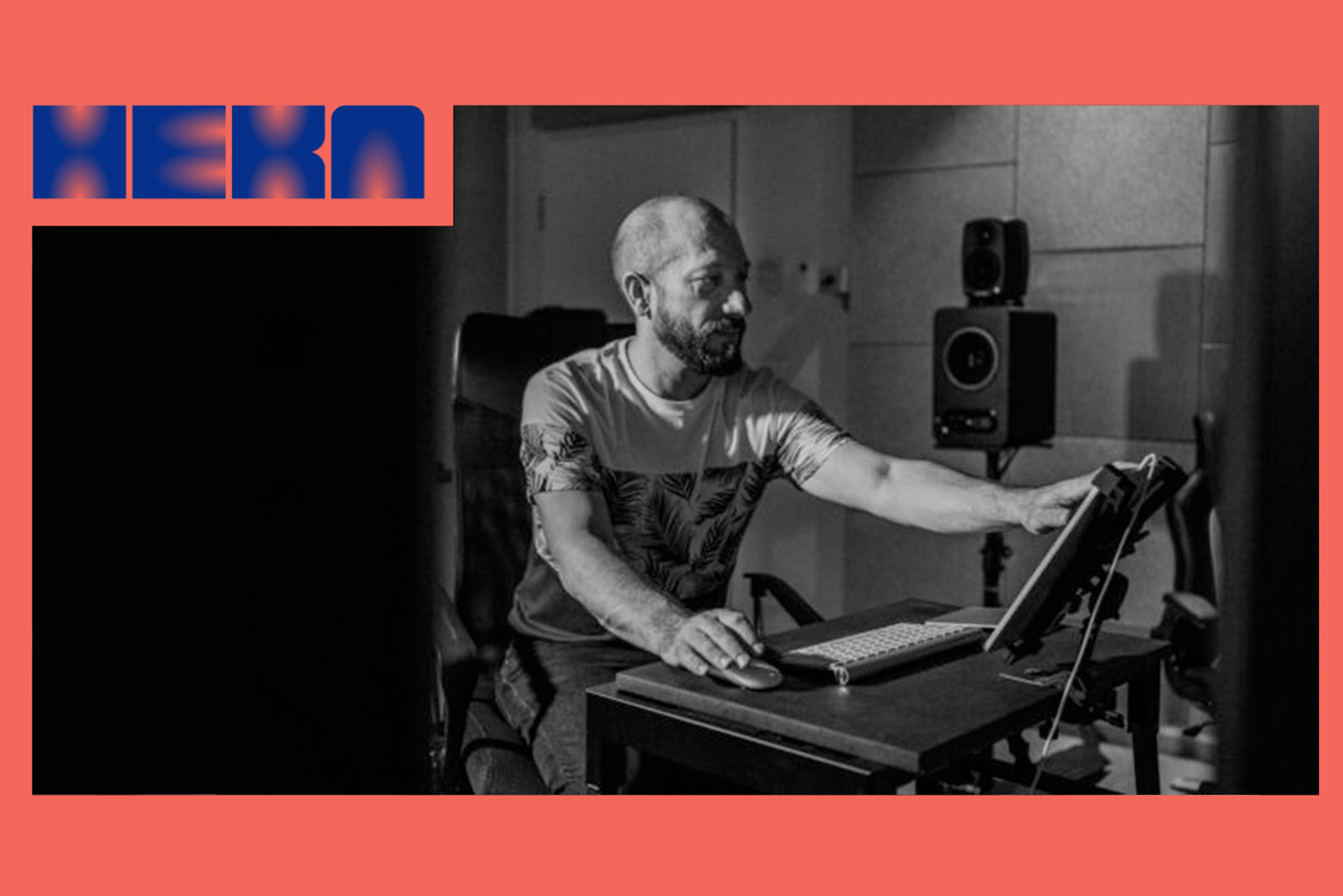
The spatial sound pillar develops HEKA’s central research and production line — the KUBER programme, under the artistic direction of Mauricio Valdés San Emeterio, a researcher with more than thirty years of experience in electroacoustic music, spatial composition, and the development of media systems, and a member of the PRISMA group at IRCAM in Paris.
KUBER is the experimental sound unit of HEKA Lab, exploring the potentials of digital spatial audio for artistic expression, research, and development. It operates as an open space in which innovative ideas about spatial sound come to life: at once a single-user production space, an immersive listening room, and a recording studio. Together with artists, composers, and musicians, we develop content and bespoke tools for diverse artistic contexts. The work unfolds along four interconnected lines — production, reproduction, research, and education.
Within the spatial sound strand we produce our own spatial audio content and invite residents — both established artists and newcomers — to explore the studio and create their own works. In the first phase of activity we positioned ourselves as a translator between ideas and existing tools. We have also developed our own software solution based on the Hyper-Space tool by the Swedish composer Åke Parmerud, who donated its source code to serve as the foundation for a flexible workflow that is open and adaptable to other creators.
KUBER also operates as a listening venue, in which the speaker system becomes an instrument that can be experienced for a wide range of purposes: experimental music, field recordings, soundscapes, meditative formats, hyper storytelling, and sonic theatre.
Spatial sound is the capacity to express and perceive sound in three-dimensional space — through an immersive and realistic listening experience that draws on the techniques of binaural recording, ambisonics, and object-based audio. At KUBER we believe that spatial sound formats can transcend disciplines and drive innovation across the arts, education, medicine, public services, and the economy.
2. Organic materials and materiality
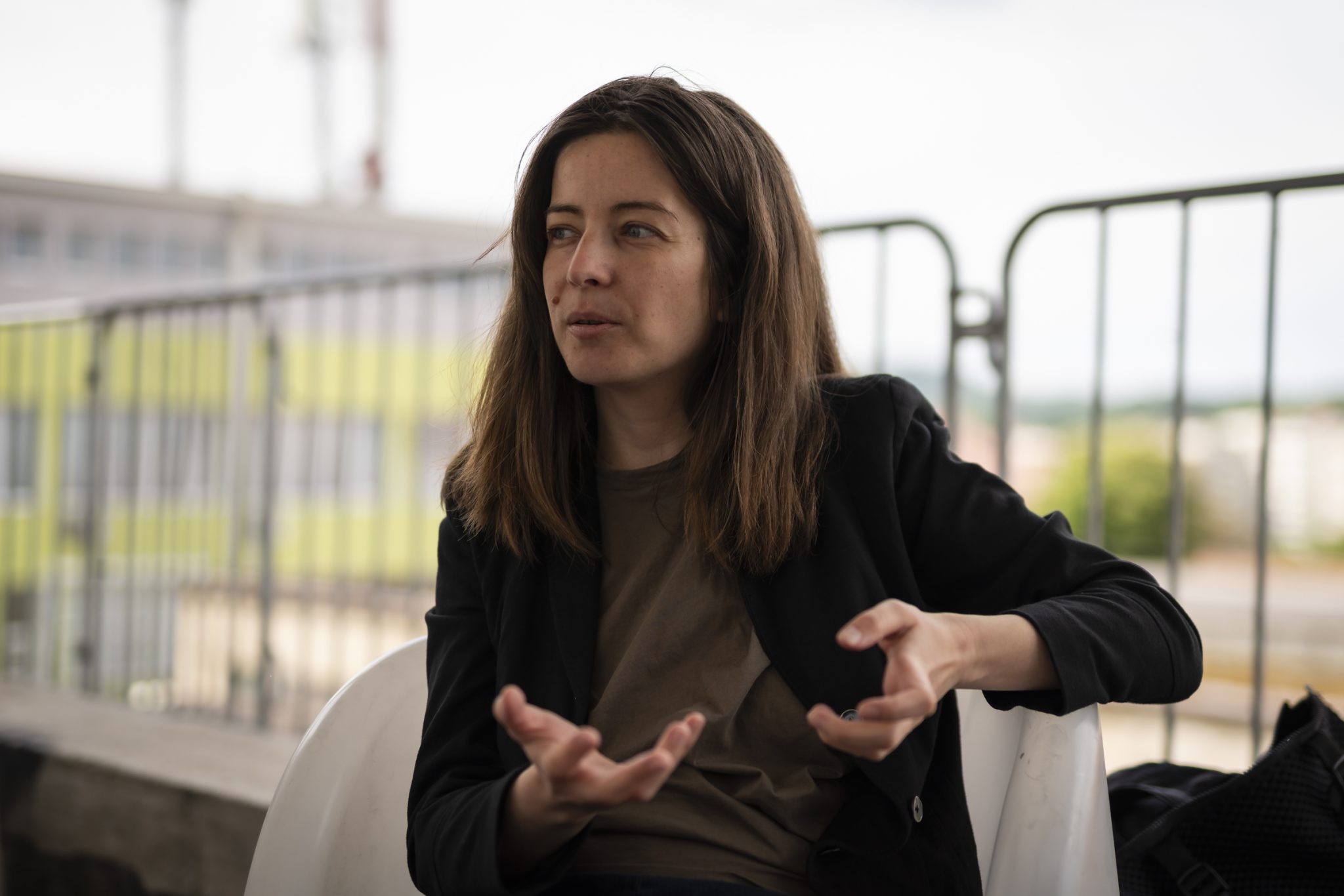
The materiality pillar, under the artistic direction of Marko Vivoda — long-time curator of the IZIS festival and mentor at the Faculty of Education of the University of Primorska — investigates biomaterials, biocomposites, mycelium, wood, and other natural substances as a medium for contemporary artistic and design practice. The pillar bridges artistic research and scientific application, and is thematically connected with the sea pillar through research into marine biomaterials, biorock technology, and the blue economy.
3. The sea — North Adriatic research
The sea pillar opens up the North Adriatic marine environment as a cultural, ecological, and scientific question. Through residencies, fieldwork, and collaboration with biological and oceanographic expertise, HEKA explores underwater landscapes as carriers of information about biodiversity, ecosystem functioning, and human impact. The pillar also addresses the extinction of the noble pen shell (Pinna nobilis) in the northern Adriatic and develops interactive aquarium installations in collaboration with the Piran Aquarium and the Pula Aquarium. Key scientific partners include the National Institute of Biology — Marine Biology Station Piran and the research network of the projects RISTANC (Horizon Europe), STARS4WATERII (DG Connect), and the Transdisciplinary Programme HEKA 2026–2029 (Ministry of Culture of the Republic of Slovenia), within which PiNA investigates citizen science, biorock technology, and non-invasive environmental monitoring.
4. Education
The fourth pillar links all the preceding strands into pedagogical and public formats and ensures the systematic transfer of knowledge from the research and production environment into the educational arena and the economy. HEKA develops the interdisciplinary international Design+Science summer school (in collaboration with ALUO UL, FH Joanneum Graz, and the University of Split), the Creatorship programme, mentorship programmes for university students, secondary-school pupils, and younger learners, public presentations, and the inclusion of students in the lab’s active productions. UP PEF — the study programme Visual Arts and Design — develops together with HEKA Lab a systematic model of partnership between higher education and a production laboratory; the lab is becoming part of the implementation environment for course exercises, project subjects, mentorships, and final theses.
How HEKA works
The central mode of work at the lab is the residency research programme, through which artists and interdisciplinary teams come to HEKA each year for extended periods of focused research, prototyping, and production. The residencies are anchored in the four content pillars and are programmatically connected with consortium partners, academic institutions, and PiNA’s international network. The results of residencies are presented at the IZIS festival, at the partner festivals Speculum Artium and KIBLIX, in international guest appearances, and in the lab’s publicly accessible documentation.
An important programme strand is cross-sectoral collaboration with partners from the economy, research institutions, the public sector, and civil society. HEKA enters into joint development projects with small and medium-sized enterprises, local suppliers of materials and services, research centres (InnoRenew CoE, NIB-MBP Piran, the University of Primorska), and public-space institutions (the Municipality of Koper, cultural and educational establishments). With this working model, the lab assumes the role of a mediator between artistic production and applied development and ensures the transfer of results into both academic and economic circles.
Two key activities run through all the pillars: research through prototyping and the dissemination of results. Both processes are directly embedded in the objectives of cross-sectoral collaboration — building competences for cross-sectoral and interdisciplinary environments and developing sustainable and participatory artistic practices through the model of challenge-based art-driven innovation. Prototypes emerge as experimental objects, installations, sound compositions, biomaterial studies, design concepts, or pedagogical devices; the dissemination of results takes place through festival presentations, scientific and professional publications, public lectures, demonstrations for partners from the economy, school and student visits, and the digital platforms of PiNA and RUK. Both prototyping and the dissemination of results reach beyond the framework of artistic production — they function as spaces for generating knowledge and experience that are directly transferable to the economic, research, and public sectors. The residencies are designed with different timeframes, while the space itself is conceived so that it can be explored independently or with mentoring support from the artistic directors Marko Vivoda and Mauricio Valdés San Emeterio, as well as from external experts and institutions.
Festival IZIS — HEKA’s public presentation platform
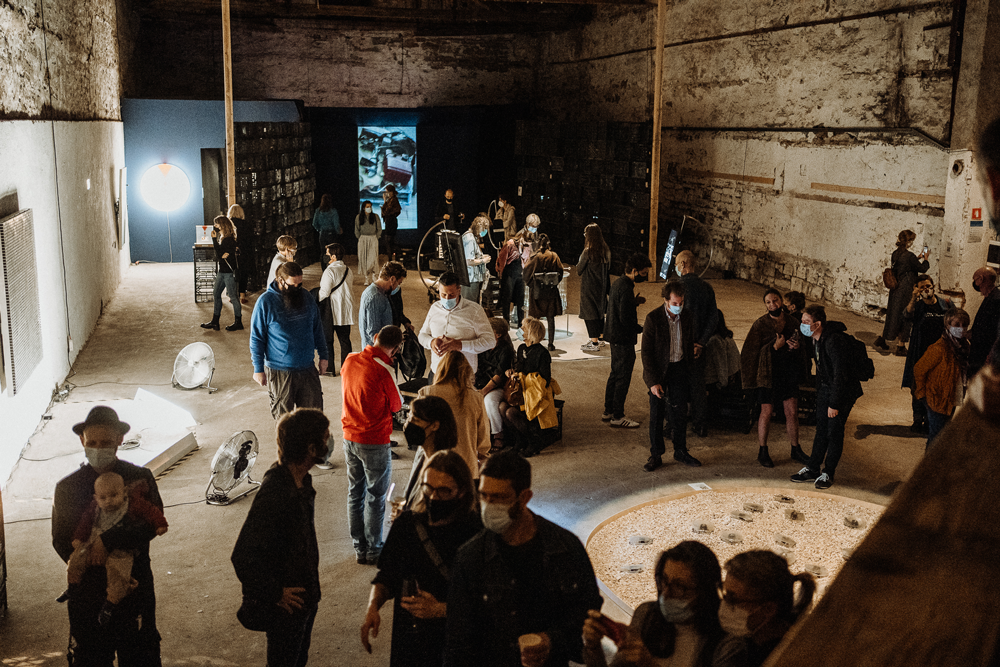
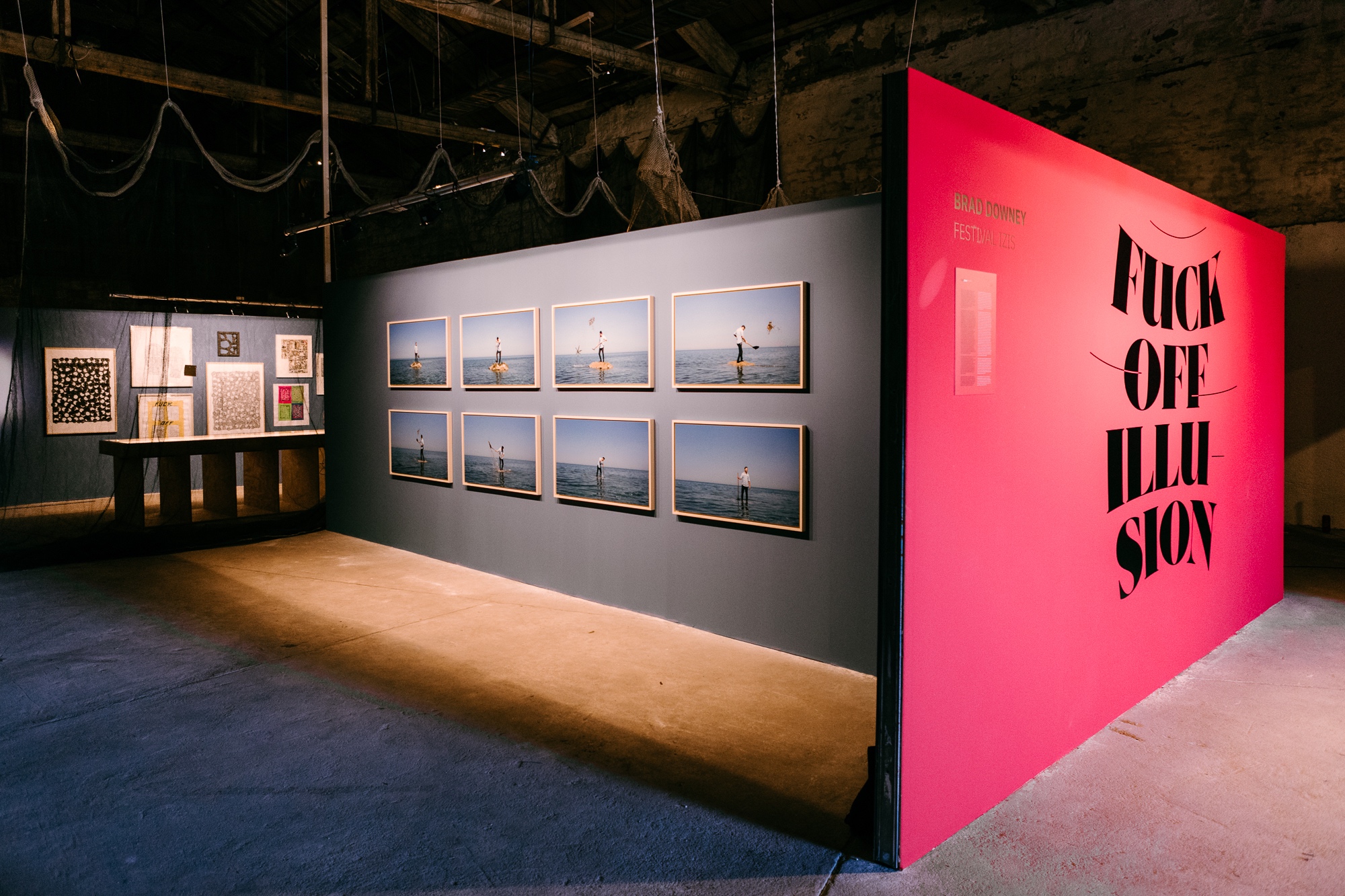
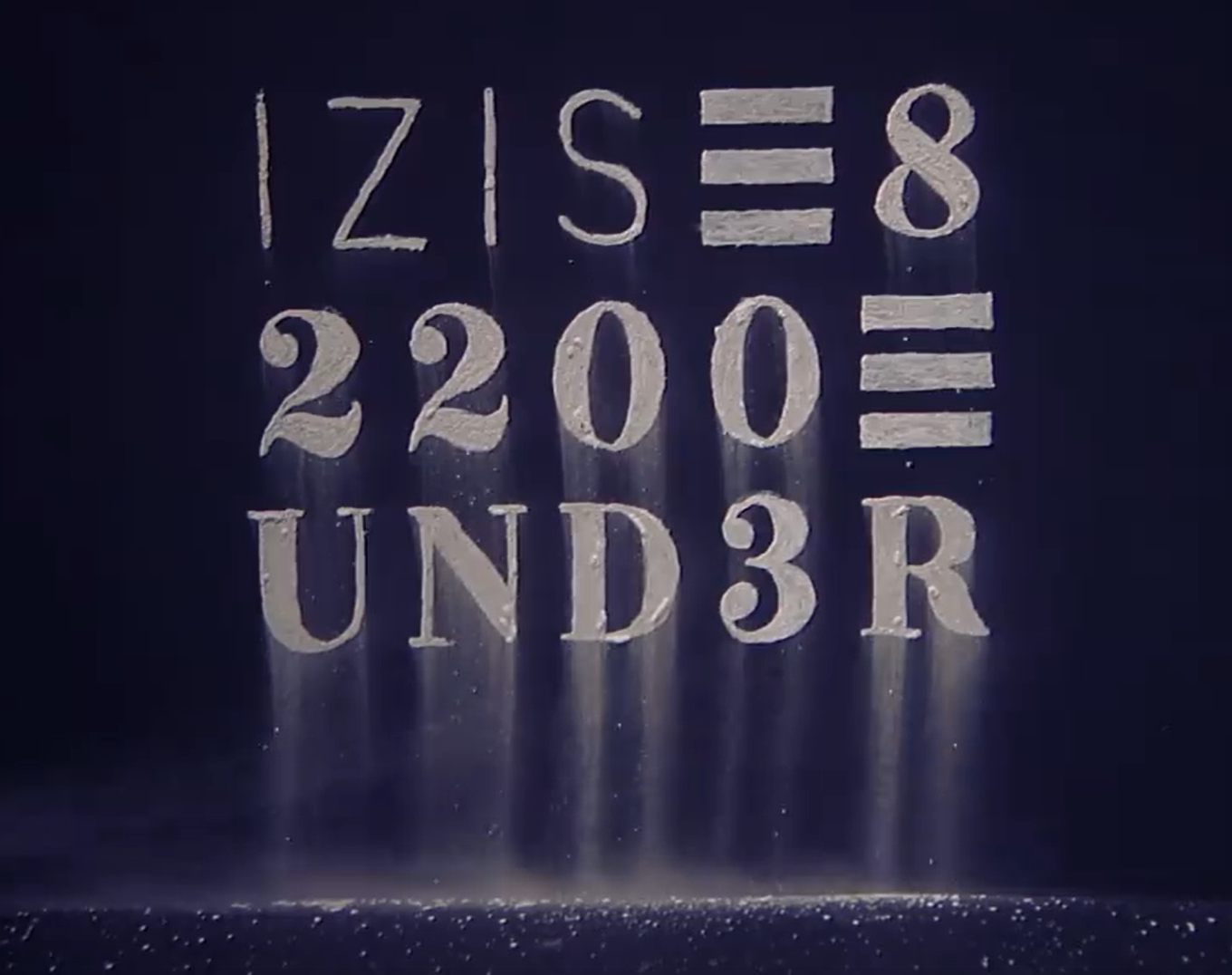
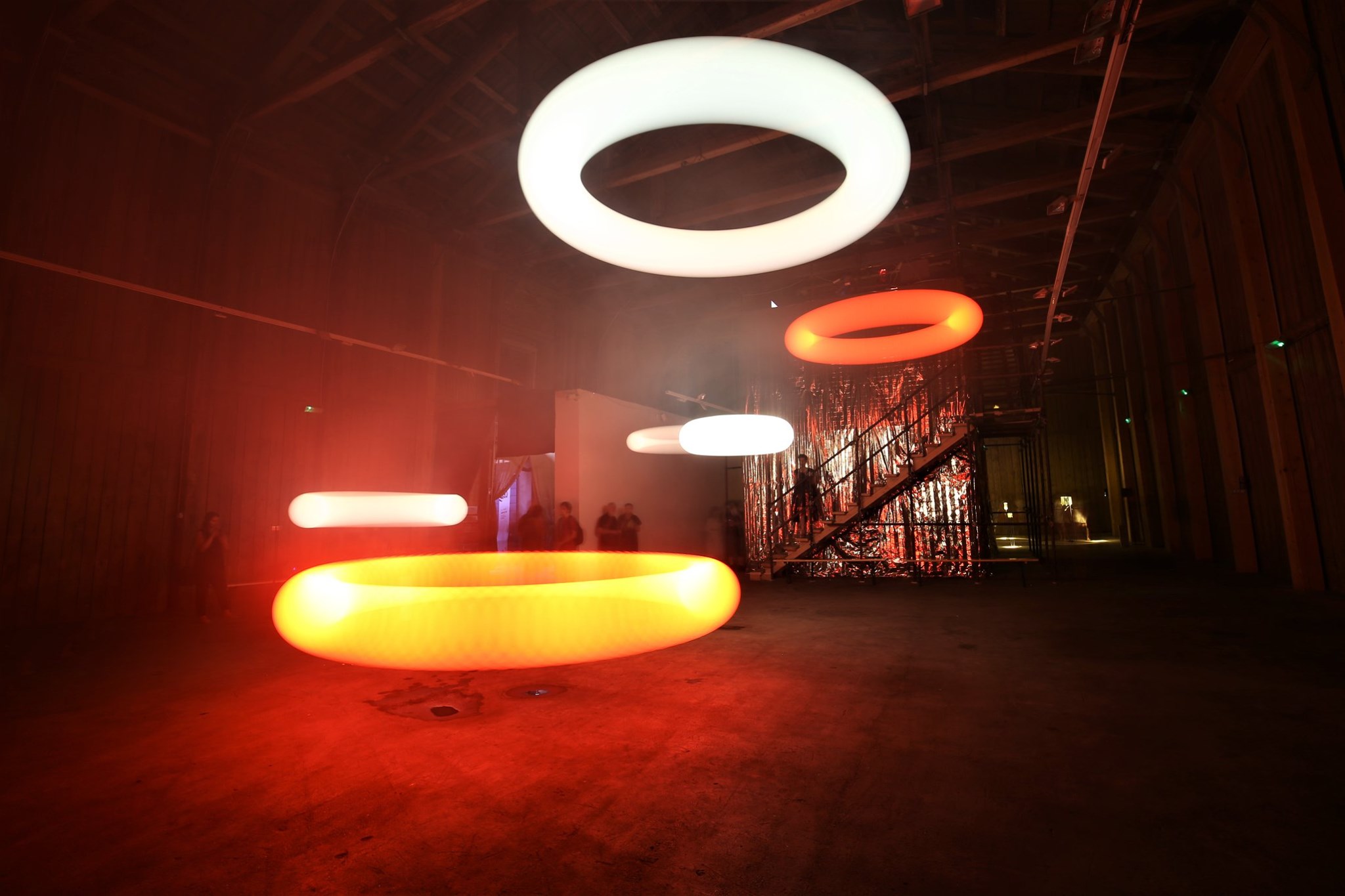
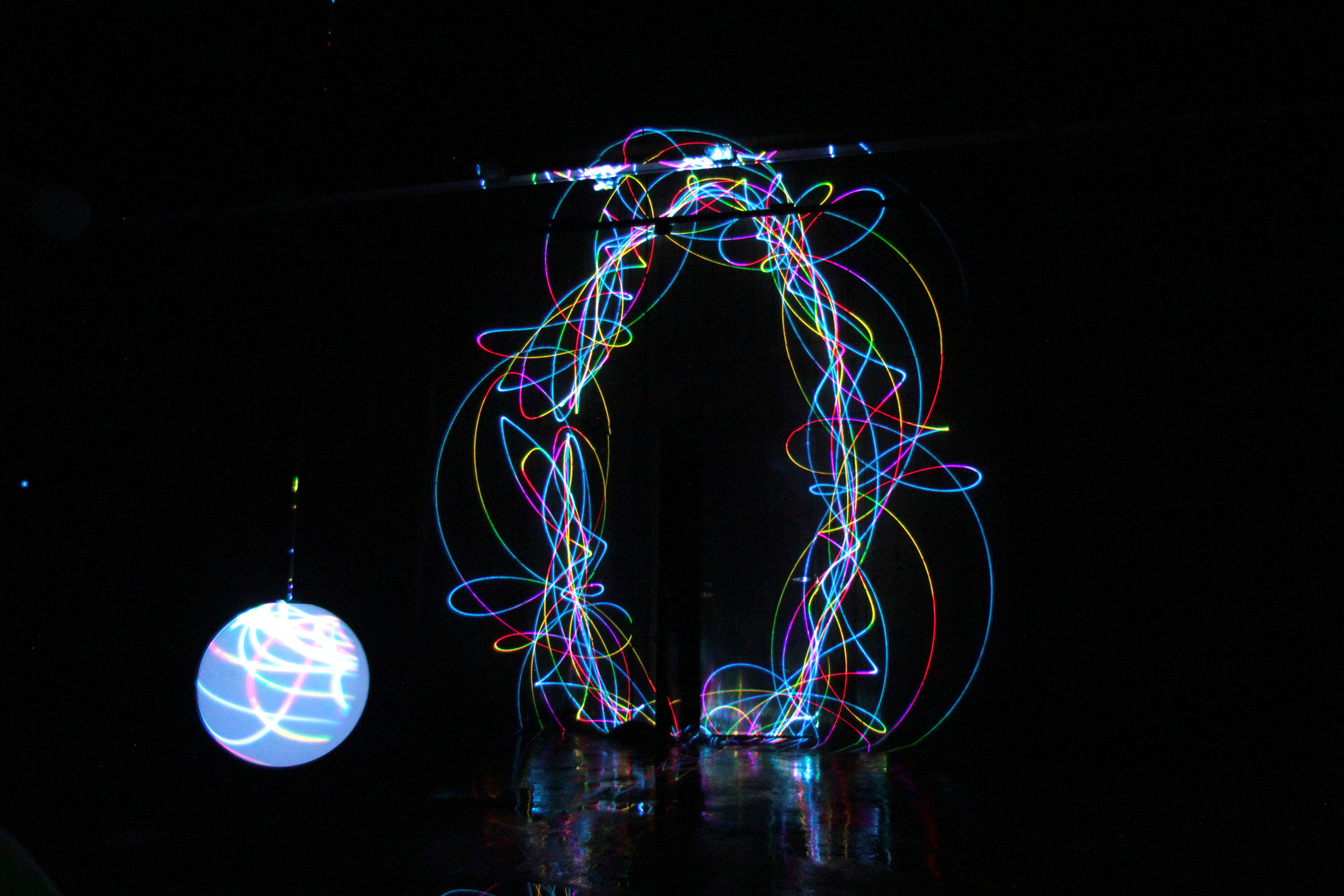
HEKA is the infrastructural and programmatic core of the activities PiNA presents to the public within the framework of the IZIS festival — the only intermedia festival in Slovenian Istria. Following a decade of programme continuity (2013–2023), in 2024 IZIS restructured itself into a modular platform composed of four interconnected programme strands: the main exhibition (an annual focus at the intersection of research arts, science, and technology), the student programme in collaboration with UP PEF, the HEKA programme (presentations of lab productions, spatial sound, demonstrations of prototypes, biomaterials, and research results), and PiNA’s international projects programme.
References and international recognition
The quality of HEKA Lab’s work is confirmed by a series of international references from the 2021–2025 period. Among the most notable:
• The HEMI Innovation Award (Athens, 2024) for the KUBERNetics Headset prototype, awarded within the S+T+ARTS Air programme.
• Mauricio Valdés’ inclusion in the PRISMA group at IRCAM (Paris) and in the PRISMA–IRCAM Forum.
• International presentations of the lab’s productions in more than 20 countries.
• Participation in 6 projects of the Horizon Europe framework programme and in two S+T+ARTS cycles (DG Connect of the European Commission).
• PiNA’s accreditation as a regional implementer of S+T+ARTS residency programmes for South-East Europe.
• Inclusion in European research arts networks, including the S+T+ARTS Regional Centres Network.
• Presentation of HEKA with its programme and the RUK pilot projects at the Ars Electronica festival in Linz in 2024.